Cane Molasses for Animal Feed: Benefits, Uses & Specifications
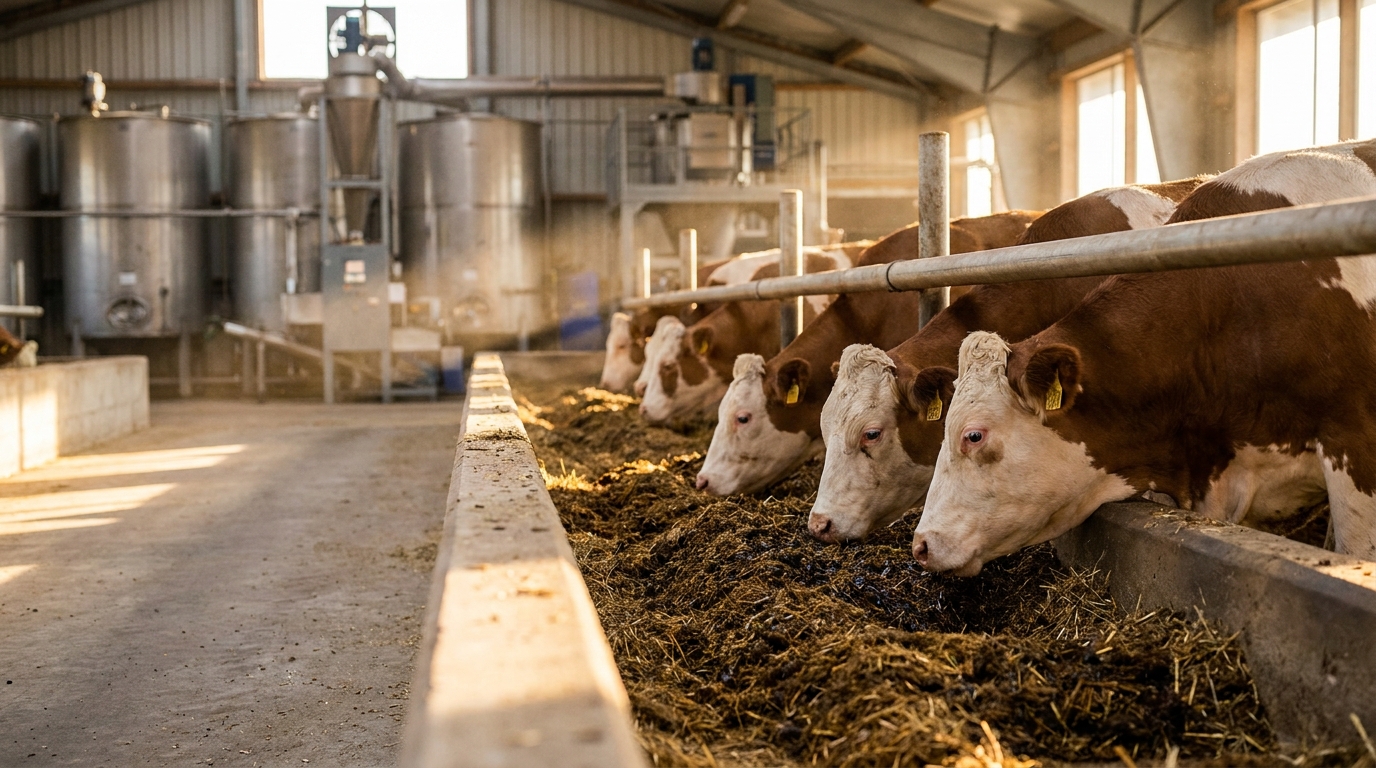
Cane molasses has been a staple ingredient in animal feed for generations, prized for the energy it provides and the way it makes feed more palatable. From dairy and beef cattle to poultry, molasses helps animals eat more and perform better, while also serving practical roles in pelleting and silage. This article explains the benefits, applications, and specifications that matter when sourcing molasses for feed.
- A readily available energy source for livestock
- Improves palatability so animals eat more
- Acts as a binder in feed pellets
- Used in silage and urea-molasses blocks (UMB)
- Specify total sugars and ash for feed quality
Why molasses is valued in animal feed
The residual sugars in molasses provide a quick, digestible source of energy that supports growth, milk production, and overall condition in livestock. Just as important, the sweet taste of molasses greatly improves palatability — animals are more willing to eat feed that contains it, including coarse forages and crop residues they might otherwise reject. This combination of energy and palatability is why feed mills and farmers around the world rely on molasses as a cost-effective ingredient.
Molasses as a binder in pellets
Beyond nutrition, molasses serves a practical function in feed manufacturing. Its sticky, viscous nature makes it an effective binder in pelleted and compound feeds, helping the pellets hold together and reducing dust and fines. This improves feed handling and reduces waste. For pellet mills, molasses offers a dual benefit — improving both the physical quality of the pellet and its nutritional and sensory appeal to the animal.
Silage and forage preservation
Molasses plays an important role in making silage, the fermented forage used to feed ruminants. When forage is ensiled, lactic acid bacteria ferment the available sugars to lower the pH and preserve the feed. Adding molasses supplies extra sugar for these bacteria, helping fermentation proceed quickly and producing well-preserved, palatable silage. This is especially useful for forages that are naturally low in sugar, ensuring reliable preservation and reducing spoilage losses.
Urea-molasses blocks (UMB)
Urea-molasses blocks, sometimes called 'cattle candy,' are solid lick supplements made from molasses, urea, and fillers. Molasses acts as an energy source, a binder, and a palatability enhancer all at once. Animals lick the block to obtain energy and a source of non-protein nitrogen that supports rumen microbial activity. UMB is a practical way to supplement grazing animals or those on low-quality forage, improving their nutrition without complex feeding equipment.
Specifications for feed-grade molasses
When sourcing molasses for feed, the key specifications are total sugars and Brix, which indicate the energy value, along with ash content and the absence of harmful contamination. Higher total sugars deliver more feed energy. A Certificate of Analysis confirms these parameters for each shipment. Discussing your specific feed formulation with the supplier helps ensure the molasses you receive fits your nutritional targets and mixing process.
Feeding tips and best practices
Molasses is best fed in measured amounts as part of a balanced ration rather than as a stand-alone feed. Because its sugars have a mild laxative effect in excess, introduce it gradually and avoid overfeeding, which can cause loose manure. Diluting molasses with water makes it easier to mix evenly into feed. Used sensibly, molasses is a safe, economical, and effective way to add energy and improve intake across many livestock species.
Frequently Asked Questions
How much molasses can be included in animal feed?
It is typically used as a measured portion of the ration, often a modest percentage, to add energy and palatability. Introduce gradually and avoid overfeeding to prevent digestive upset.
Does molasses improve feed intake?
Yes. Its sweet taste makes feed more palatable, encouraging animals to eat more, including forages they might otherwise avoid.
Can molasses be used for poultry and cattle?
Yes. It is used across cattle, poultry, and other livestock as an energy source and palatability enhancer, in appropriate amounts.
Looking to import Indonesian sugar or molasses? Contact our export team for a quote and specifications.
Contact Us