Indonesian Cane Molasses: A Complete Buyer's Guide for Importers
Cane molasses is one of Indonesia's most widely traded sugar by-products, valued around the world as a feedstock for animal feed, fermentation, and aquaculture. For importers, understanding what defines quality molasses — its sugar content, specifications, handling, and supply chain — is essential to sourcing the right product at a fair price. This guide covers everything you need to know before placing your first order of Indonesian cane molasses.
- Cane molasses is a sugar by-product rich in fermentable sugars
- Key specs: Brix, total sugars (TSAI), and ash content
- Used in animal feed, fermentation, and aquaculture (biofloc)
- Shipped in flexitanks, ISO tanks, or drums
- A reliable supplier provides consistent specs and documentation
What is cane molasses?
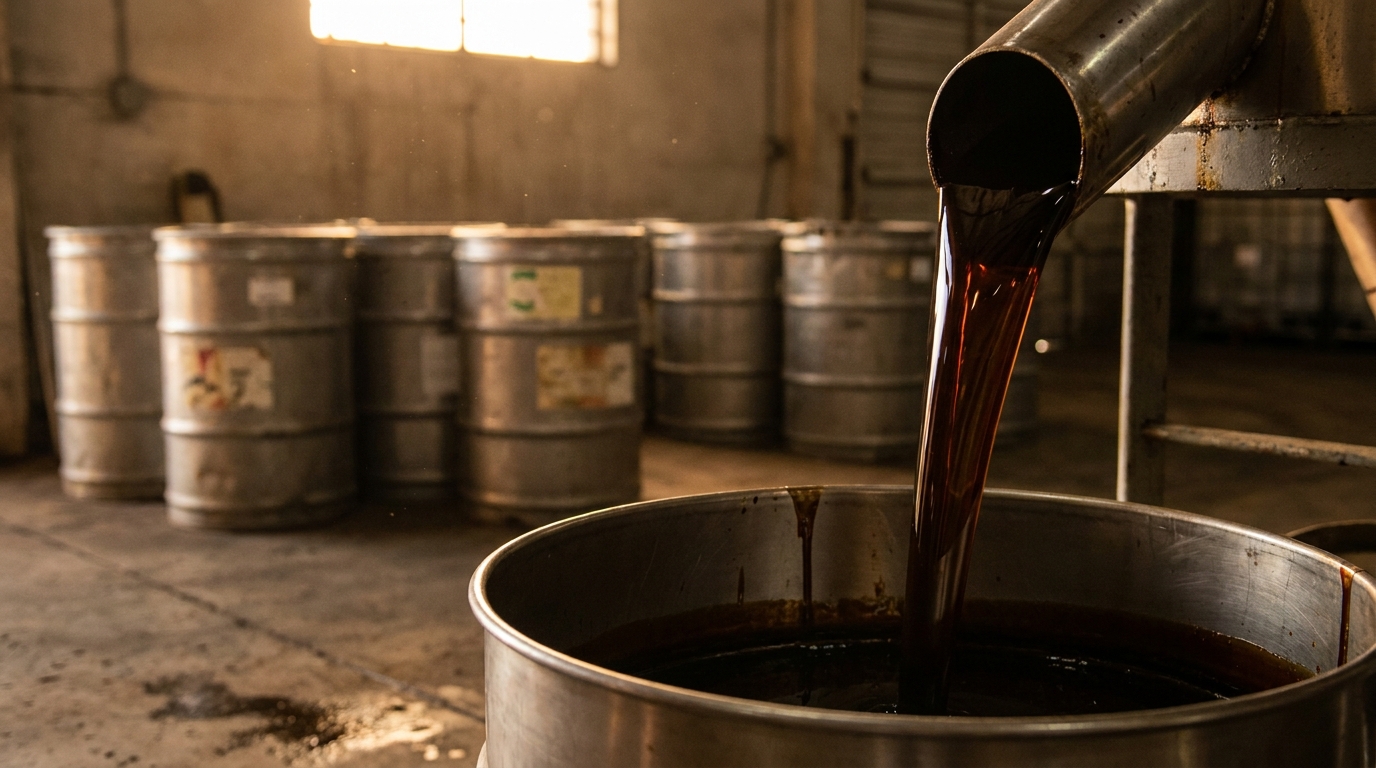
Cane molasses is the thick, dark syrup that remains after sugar is crystallized from sugarcane juice. Although the sucrose has largely been extracted, molasses still contains a substantial amount of fermentable sugars along with minerals and organic matter. This residual sugar is exactly what makes molasses so valuable: it serves as an affordable energy source and carbon feedstock across many industries. Indonesia, as a large cane-processing country, produces molasses as a steady by-product of its sugar mills, making it available for both domestic use and export.
Main uses of molasses
Molasses is a remarkably versatile commodity. Understanding the main applications helps you specify the grade you need:
- Animal feed — an energy source and palatability enhancer in cattle, poultry, and other feed.
- Fermentation — feedstock for bioethanol, yeast, MSG, and other fermentation products.
- Aquaculture — a carbon source in biofloc systems for fish and shrimp.
- Agriculture — a carbon source for liquid organic fertilizer and compost activation.
Key specifications to check
Quality molasses is defined by measurable specifications, and reputable suppliers provide a Certificate of Analysis (COA) for each shipment. The most important parameters are Brix (the dissolved solids content, indicating concentration), total sugars (often expressed as TSAI — Total Sugars As Invert), and ash content. Higher total sugars generally mean more value for fermentation and feed. Buyers should also note the moisture content and that the product is free from harmful contamination. Always agree on the target specifications in writing before ordering.
How to evaluate a molasses supplier
Choosing the right supplier is as important as the specifications themselves. A trustworthy supplier delivers consistency, documentation, and clear communication rather than just a low price. When you shortlist a supplier, assess these points carefully:
- Consistent specifications matching the agreed COA each shipment.
- Ability to provide a representative sample before bulk orders.
- Experience handling bulk liquid export (flexitank/ISO tank).
- Transparent documentation and references in your market.
Pricing and what affects it
Molasses prices move with several factors, so comparing offers by headline price alone can be misleading. Total sugar content is the biggest driver of value — molasses with higher fermentable sugars commands a premium. Brix, ash, and overall quality also matter, as does the packaging and shipping method. Seasonality of the cane harvest and global demand from the feed and ethanol industries influence prices too. The most reliable way to compare suppliers is to standardize the specification first, then request quotes against it on the same Incoterms.
Packaging, shipping, and logistics
Because molasses is a bulk liquid, packaging and handling are critical. It is commonly shipped in flexitanks (liners inside standard containers), ISO tank containers, or drums for smaller quantities. Clarify Incoterms such as FOB or CIF early so both parties know who arranges freight and insurance. Confirm the documents you will receive — commercial invoice, packing list, bill of lading, certificate of origin, and the Certificate of Analysis. Proper temperature and handling keep the product stable during transit, so discuss handling requirements with your supplier.
Frequently Asked Questions
What is the difference between cane molasses and beet molasses?
Cane molasses comes from sugarcane and is widely used in feed and fermentation, while beet molasses comes from sugar beet. Indonesian molasses is cane molasses.
What is TSAI in molasses?
TSAI stands for Total Sugars As Invert, a key measure of the fermentable sugar content. Higher TSAI generally means higher value for fermentation and feed.
How is molasses shipped internationally?
Most commonly in flexitanks or ISO tank containers for bulk volumes, and in drums for smaller quantities.
What is the minimum order quantity?
Bulk liquid export is typically by full container (flexitank/ISO tank). Contact us with your destination and required specifications for a quote.
Looking to import Indonesian sugar or molasses? Contact our export team for a quote and specifications.
Contact Us